

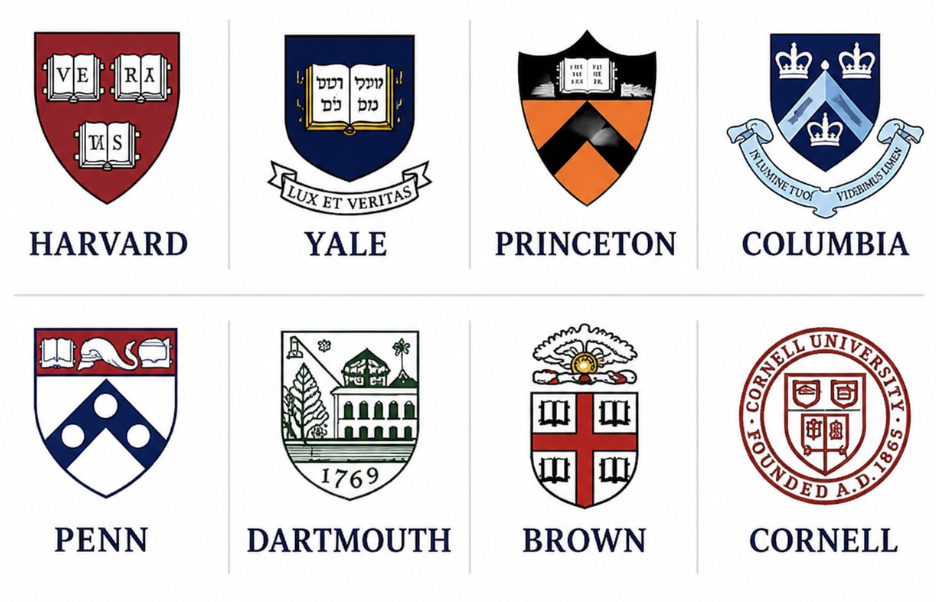

The global college admissions landscape is changing faster than ever before. Artificial Intelligence, rising international competition, record-breaking application numbers, changing visa policies, and evolving university priorities are reshaping how students are selected. For Indian students planning to apply for undergraduate or postgraduate programs in 2026, relying on strategies that worked just a few years ago may no longer be enough.
Admissions experts believe that universities are placing greater emphasis on academic consistency, authentic extracurricular achievements, career clarity, and well-planned applications. Families must also prepare for increasing competition, higher expectations, and the emotional pressure that comes with the admissions process. Here are eight major predictions that could define college admissions in 2026.
1. Test-Optional Does Not Mean Test-Irrelevant
Many universities continue to offer test-optional admissions, but strong SAT or ACT scores are once again becoming an important differentiator, particularly for competitive STEM, Business, Economics, and scholarship applications.
Why it matters:
- High scores strengthen your academic profile.
- Better chances for merit scholarships.
- Helps international applicants stand out in competitive applicant pools.
Takeaway: If you can achieve a competitive score, submitting it may improve your admission chances.
2. Early Applications Will Become Even More Important
Early Action and Early Decision rounds are no longer optional for highly competitive universities. Many institutions now admit a significant portion of their incoming class through these early rounds.
Why it matters:
- More seats are filled before Regular Decision.
- Early applicants often face lower competition.
- Demonstrates strong interest in the university.
Takeaway: Students should ideally finalize applications by October rather than waiting until regular deadlines.
3. Public Ivy Universities Will Become More Competitive
Highly respected public universities are witnessing record international demand while maintaining limited seats for overseas applicants.
Universities expected to remain highly competitive include:
- UCLA
- University of Michigan
- UT Austin
- Georgia Tech
- University of North Carolina
Takeaway: Applicants should build balanced college lists rather than relying only on popular public universities.
4. Southern U.S. Universities Will Continue to Gain Popularity
Indian students are increasingly choosing universities in the southern United States because of their strong academics, lower living costs, excellent internship opportunities, and attractive return on investment.
Popular choices include:
- Georgia Tech
- Texas A&M University
- University of Florida
- Clemson University
Takeaway: These universities offer an excellent balance of education quality, affordability, and career outcomes.
5. Artificial Intelligence Will Play a Bigger Role in Admissions
Universities are increasingly using AI-powered tools to assist with application screening before files reach admissions officers.
AI systems may evaluate:
- Academic consistency.
- Course selection.
- Activity alignment.
- Application completeness.
- Potential inconsistencies across essays and documents.
Takeaway: Authenticity and consistency throughout your application will become more important than ever.
6. Activity Stacking Will No Longer Impress Admissions Officers
Admissions officers are moving away from applicants who list dozens of unrelated extracurricular activities.
What universities now prefer:
- Long-term commitment.
- Leadership.
- Genuine impact.
- A clear area of interest or specialization.
Takeaway: Depth of involvement is now more valuable than the number of activities.
7. Campus Environment and Immigration Policies Will Influence Decisions
Families are increasingly evaluating universities based on factors beyond rankings, including safety, campus culture, internship opportunities, and long-term employment prospects.
Students should research:
- Campus safety.
- Career support.
- Work visa environment.
- Diversity and inclusion.
- Local employment markets.
Takeaway: The best university is one that aligns with both your academic and personal goals.
8. Global Admissions Will Continue to Split into Two Paths
Elite institutions in the U.S., UK, and other leading destinations are becoming more selective than ever, while many mid-tier universities face challenges related to declining international enrollment and visa uncertainty.
What this means:
- Competition at top universities will continue to rise.
- Students should develop diversified application strategies.
- Applying to multiple countries may reduce overall admission risk.
Takeaway: A balanced international admissions strategy is becoming increasingly important.
The One Challenge Every Indian Family Must Prepare For: Mental Health and Burnout
While students often focus on grades, test scores, and extracurricular activities, many underestimate the emotional demands of the admissions journey. Preparing for standardized tests, writing essays, attending interviews, and managing uncertainty can lead to significant stress and burnout.
Parents should encourage realistic expectations, healthy routines, open communication, and emotional support throughout the application process. College admissions should be viewed as a long-term journey rather than a single high-pressure event.
Final Thoughts
College admissions in 2026 will reward students who prepare early, build authentic profiles, demonstrate academic purpose, and maintain consistency throughout their applications. Success will depend not only on strong grades but also on strategic planning, thoughtful university selection, and a balanced approach to academics, extracurricular activities, and personal well-being. Students who adapt to these changing trends will be better positioned to secure admission to leading universities around the world.