

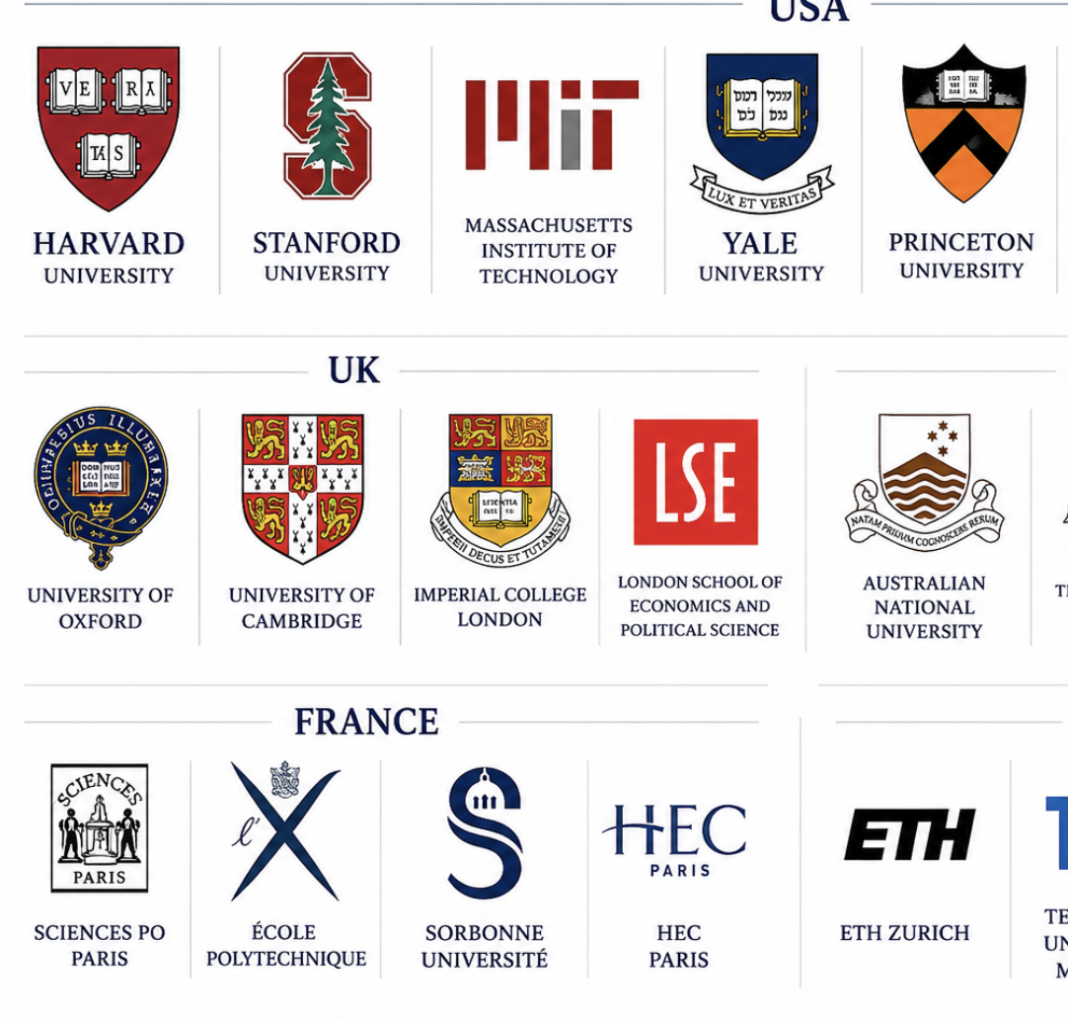

Studying abroad can be life-changing. It offers world-class education, international exposure, global career opportunities and personal growth. However, for many students, the biggest obstacle is cost.
The good news is that thousands of scholarships are available every year, and many cover far more than just tuition fees. With the right strategy, it is possible to study abroad with little—or even no—financial burden.
Understand What Scholarships Cover
Many students assume scholarships only reduce tuition fees. In reality, many funding programmes can cover:
- Tuition fees
- Flights
- Accommodation
- Living expenses
- Books and study materials
- Health insurance and travel grants
Scholarships are offered by universities, governments, foundations, charities and international exchange programmes.
Where to Find Scholarships
The best place to begin is your chosen university. Many institutions offer scholarships specifically for international students, often with less competition than national programmes.
You should also explore:
- Government-funded scholarships
- Country-specific education programmes
- Exchange programmes
- Private foundations
- Subject-specific and merit-based scholarships
Applying to multiple scholarships significantly improves your chances of receiving funding.
What Scholarship Panels Look For
Academic performance is important, but grades alone rarely secure funding.
Selection committees want applicants who demonstrate:
- Clear academic and career goals
- Leadership potential
- Commitment to their field
- Community involvement
- The ability to create future impact
Your application should clearly explain why studying abroad is essential to your long-term goals.
Writing a Winning Scholarship Essay
Your essay often determines whether you receive funding.
Rather than saying:
“I want international exposure,”
explain:
- Why this country?
- Why this university?
- Why this programme?
- How will it help your career?
- How will you use your education to benefit others?
The strongest essays combine a personal story with a clear future vision.
Strategies That Improve Your Chances
Successful applicants usually follow a few simple strategies:
- Apply as early as possible.
- Submit applications to multiple scholarships rather than relying on just one.
- Search for niche scholarships related to your subject, background or destination.
- Obtain strong recommendation letters from people who know your academic work and leadership potential.
Consistency and preparation often matter more than luck.
Consider Exchange Programmes
One of the most overlooked options is a university exchange programme.
Many exchange students continue paying tuition fees at their home university while studying abroad for a semester or year.
Combined with scholarships, exchange programmes can reduce the overall cost of international education considerably.
Common Mistakes to Avoid
Many students reduce their chances by:
- Applying too late.
- Writing generic essays.
- Submitting incomplete applications.
- Having no clear career goal.
- Applying to only one or two scholarships.
Treat every scholarship application as seriously as a university application.
Final Thoughts
Studying abroad is expensive—but it doesn’t have to be unaffordable.
Students who begin early, apply strategically and build a strong academic and leadership profile often secure significant financial support.
The key is not simply applying for scholarships—it is becoming the kind of candidate scholarship committees want to invest in.
If you can demonstrate academic excellence, leadership, a clear sense of purpose and the potential to create meaningful impact, studying abroad with little or no financial burden becomes an achievable goal rather than an impossible dream.